
Showing all 4 results
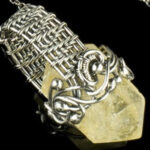 Citrine, a vibrant variety of quartz, is renowned for its golden yellow hues, ranging from pale lemon to rich amber. This gemstone gets its color from traces of iron, and it’s found in various locations worldwide, including Brazil, Spain, and Madagascar. Being a form of quartz, citrine is primarily composed of silicon dioxide, which contributes to its durability and glass-like luster.
In the realm of jewelry, citrine is highly valued for its versatility and affordability, making it a popular choice for a wide range of jewelry pieces. Its hardness, scoring a 7 on the Mohs scale, allows it to be fashioned into various shapes and sizes, ideal for rings, necklaces, and earrings. Citrine’s warm color has made it particularly favored in both modern and vintage-style jewelry, offering a touch of elegance and a hint of sunshine to any ensemble.




Citrine, often called the “merchant’s stone” in esoteric circles, is believed to attract wealth, prosperity, and success. This radiant gemstone is also associated with personal empowerment and the manifestation of one’s goals and dreams. In the realm of health, citrine is thought to stimulate digestion and positively affect the endocrine system, promoting balance and well-being.
Astrologically, citrine is linked to the zodiac sign of Gemini, believed to enhance the communicative and intellectual attributes of those born under this sign. It is also seen as beneficial for Aries and Leo, providing an energetic boost and encouraging creativity and self-expression. Additionally, citrine is often used in chakra practices, particularly connected with the solar plexus chakra, where it is said to foster self-esteem and personal power.
In terms of interesting facts, citrine has a unique place in history and culture. It was particularly popular during the Art Deco period, where it was frequently used in large, bold jewelry pieces. Unlike many other gemstones, natural citrine is relatively rare, leading to the common practice of heat-treating amethyst to achieve the desired golden hue. This process adds a unique aspect to citrine, combining natural beauty with human ingenuity to create a stone beloved by many.