
Showing all 2 results
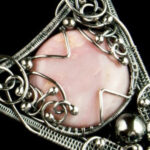 Opal is a unique gemstone known for its dazzling play-of-color, displaying a spectrum of hues that change and shift with the angle of light. It is made up of silica and water, its chemical composition allowing for the diffraction of light and the stone’s characteristic color play. Major sources of opal include Australia, which is renowned for producing the majority of the world’s supply, as well as Ethiopia, Mexico, and Brazil.
In the realm of jewelry, opal is highly prized for its ability to add a touch of iridescence and color to any piece. It is often set in rings, pendants, earrings, and bracelets, where its unique beauty can be showcased. Due to its relative softness, with a Mohs hardness rating of 5.5 to 6.5, opal is typically used in settings that protect the stone, ensuring that its mesmerizing beauty can be enjoyed for generations.
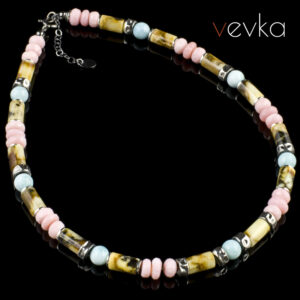

Opal is often enveloped in esoteric lore, celebrated for its ability to inspire creativity, originality, and spontaneity. It is believed to enhance self-worth, confidence, and self-esteem, making it a cherished stone among those seeking to unleash their full potential. This gemstone is also thought to bring about loyalty and faithfulness, fostering a deep emotional connection between individuals.
In terms of health, opal is said to have a beneficial effect on the body, particularly in relation to the eyes, skin, and hair. It is believed to aid in detoxifying the body and enhancing the immune system, promoting overall well-being. The stone is also associated with providing relief from depression and anxiety, offering comfort and encouragement to those who wear it.
Astrologically, opal is closely linked with the zodiac sign Libra, believed to enhance the natural traits of harmony, balance, and justice associated with this sign. An interesting fact about opal is its historical significance as a symbol of hope, purity, and truth. Its unique play-of-color has fascinated civilizations throughout history, leading to its status as a prized gemstone in various cultures and epochs.