
Showing the single result
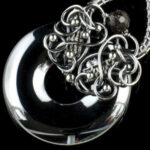 Hematite, an iron oxide mineral, is well-known for its shiny, metallic luster and deep reddish-black color. It is primarily composed of iron (Fe2O3) and is one of the most abundant sources of iron ore, making it a crucial component in the production of steel. Significant deposits of hematite can be found in Brazil, Australia, India, Russia, and the United States, highlighting its global presence and importance in various industries.
In the realm of jewelry, hematite is valued for its striking appearance and is often used in the creation of beads, necklaces, bracelets, and rings. Its polished surface can reflect a mirror-like shine, adding elegance and a modern touch to jewelry pieces. Despite its hardness of 5.5 to 6.5 on the Mohs scale, hematite should be handled with care to avoid scratches and maintain its distinctive glossy finish.
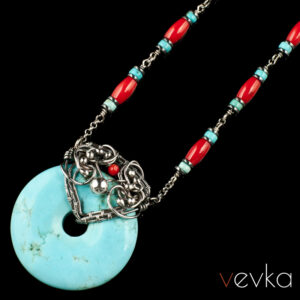
Hematite is often associated with grounding and protective qualities in esoteric beliefs, believed to strengthen one’s connection with the earth. It is said to foster courage, endurance, and vitality, making it a favored stone among those seeking to enhance their personal resilience and security. This mineral is also thought to absorb negative energy and transform it into positive vibrations, promoting emotional balance and well-being.
In terms of health, hematite is believed to have a positive impact on the blood and circulatory system. It is said to enhance the oxygen supply to the body, supporting the treatment of anemia and stimulating the healing process of wounds. Additionally, hematite is associated with regulating blood pressure and alleviating insomnia, providing a sense of calm and relaxation.
Astrologically, hematite is linked with the zodiac sign Aries, believed to amplify the traits of determination and leadership inherent to those born under this sign. An interesting fact about hematite is its historical use as a polishing powder and for creating red pigment, showcasing its versatility beyond jewelry and esoteric applications. Its reflective surface not only contributes to its aesthetic appeal but also symbolizes the mirror of the self, reflecting back inner strengths and weaknesses.