
Showing the single result
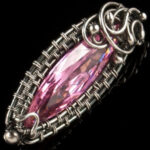 Cubic zirconia is a synthetic gemstone that has become a popular alternative to diamonds due to its affordability and brilliant sparkle. It is composed of zirconium dioxide (ZrO2) and is created through a controlled crystallization process that ensures its durability and clarity. Although it does not occur naturally, the production of cubic zirconia has been perfected to offer a wide range of colors and cuts, closely mimicking the appearance of natural gemstones.
In the realm of jewelry, cubic zirconia is widely used in rings, earrings, bracelets, and necklaces, offering a cost-effective yet beautiful option for consumers. Its hardness of 8.5 on the Mohs scale makes it suitable for daily wear, although it lacks the hardness and refractive index of a real diamond. Despite this, it continues to be a favored choice for those seeking the luxurious look of diamonds without the high price tag, making it a staple in the fashion jewelry industry.
Cubic zirconia, while primarily recognized for its aesthetic similarity to diamonds in the jewelry industry, does not carry the same esoteric beliefs and associations as natural gemstones. It is seen as a symbol of clarity, purity, and focus, often appreciated for its ability to convey the elegance of precious stones without their cost. Though not linked with specific health benefits or healing properties, its use in jewelry allows for personal expression and adornment at an accessible price point.
Astrologically, cubic zirconia does not correspond with any zodiac sign in the way natural gemstones do. Its appeal lies in its versatility and the ability to emulate a wide range of natural gemstones, making it suitable for all, regardless of one’s astrological birth sign. The stone’s affordability and wide range of colors make it a popular choice for fashion-forward individuals looking to diversify their jewelry collection without sacrificing style.
An interesting fact about cubic zirconia is its origin as a mineral discovered by German mineralogists in the 1930s, but it wasn’t until the 1970s that Soviet scientists perfected the method for its synthesis, making it available for jewelry and other applications. Today, cubic zirconia is celebrated not only for its diamond-like appearance but also for its ethical and environmental benefits, offering a conflict-free alternative to natural diamonds. Its enduring popularity underscores the desire for beautiful, durable, and ethical options in the world of jewelry.